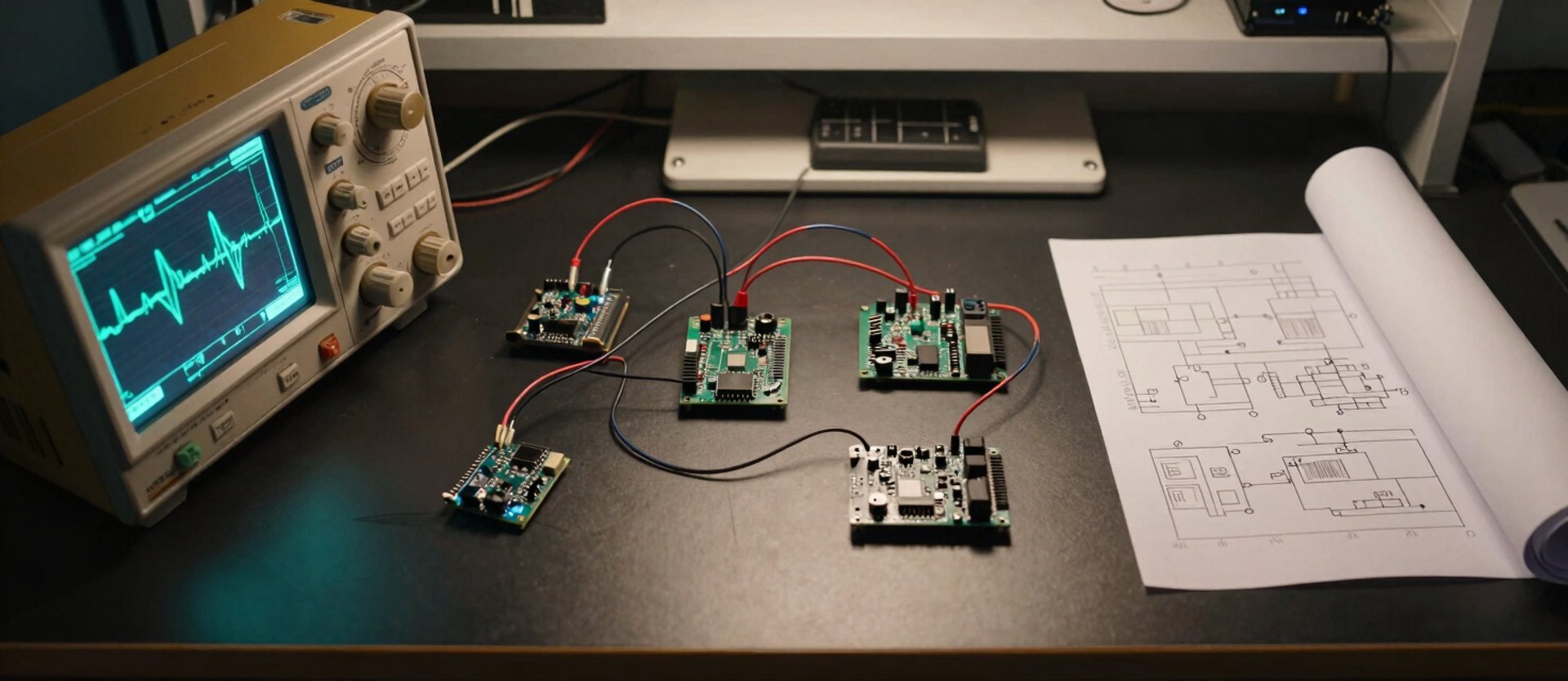
Full pipeline histories. Every decision that changed direction.
Experiments documented from first hypothesis to final pivot — architecture diagrams, raw outputs, and the failures that shaped what shipped.
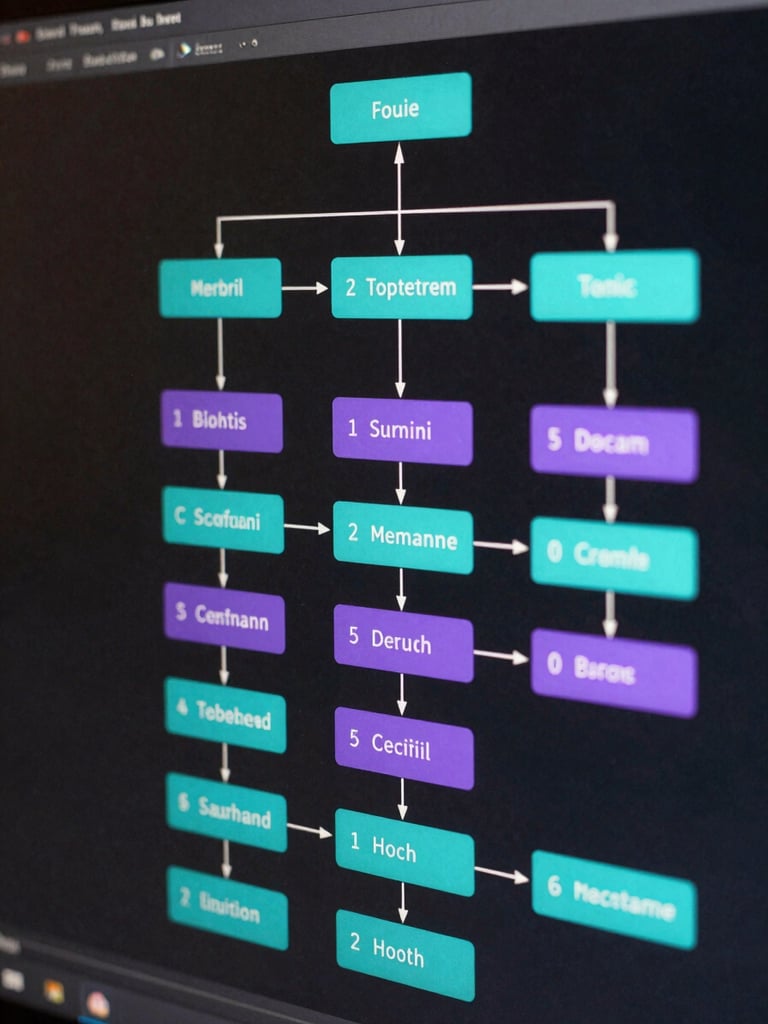
Diagrams are primary artifacts, not illustrations.
Each pipeline diagram captures the system as it actually ran — not the cleaned-up version. Integration boundaries, failure modes, and constraint-driven routing decisions are annotated inline.
Diagrams are versioned alongside the code. When the architecture changed, the old version is preserved with a note on what forced the change — not silently replaced.
What ran, what broke, what changed.
Profiled storage slot packing across four contract versions. The fourth iteration cut gas costs by 38%; the notebook preserves the three discarded approaches with failure annotations.
Quantized a PyTorch model to run on-device. Three memory allocation strategies failed before a static arena approach stabilized inference at 47 ms per frame.
Embedded vector retrieval inside a Kafka consumer. Latency spiked at scale; the notebook documents two dead-end index strategies before a partition-aware batching fix held.
Active Notebooks
Reproducible code. Raw outputs. The decision that changed course.
NB-07 — FreeRTOS task scheduling under interrupt contention: three priority inversion scenarios logged with corrected configurations.
NB-12 — LangChain agent loop latency profiling: raw trace outputs from five retrieval configurations, two abandoned due to token budget overrun.
Each notebook links the hypothesis to the running environment — executable cells, logged system outputs, and the specific constraint that forced a design change.
NB-15 — Kubernetes pod eviction under memory pressure: eviction threshold tuning documented across four cluster configurations.
No cleaned-up summaries. The intermediate states are preserved because the intermediate states are where the systems thinking lives.